balleballehomes.com

Vastu of Pooja Room: A Complete Guide to Creating a Sacred and Positive Space

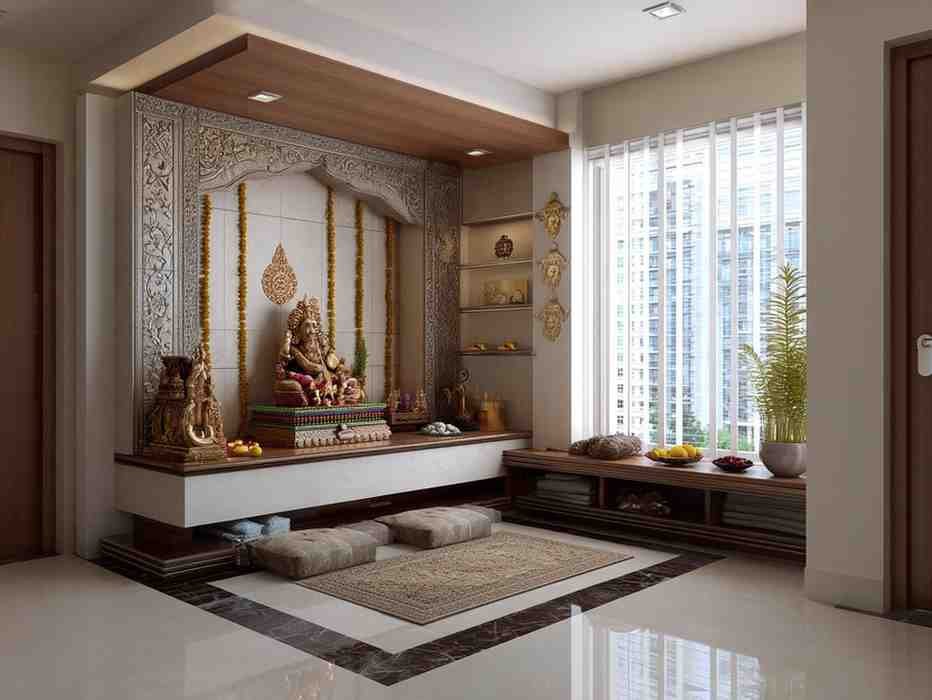
Modern Vastu of Pooja Room: A beautifully designed home temple that follows Vastu principles for peace, positivity, and prosperity.

The pooja room is the spiritual heart of a home. It is a place where family members connect with their faith, seek peace of mind, and invite positive energy into their lives. According to Vastu Shastra, the ancient Indian science of architecture and design, the location and arrangement of a pooja room can significantly impact the overall harmony and prosperity of a household.

If you are planning to build a new home or redesign your existing prayer area, understanding the Vastu of pooja room can help you create a space that promotes spiritual growth, happiness, and well-being.

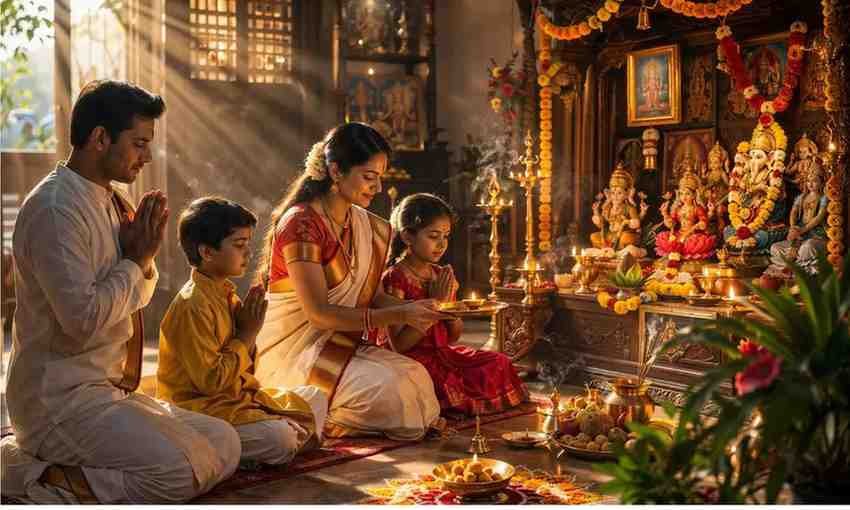
Family praying in a Vastu-compliant pooja room that promotes positive energy, peace, prosperity, and spiritual harmony in the home.

Why Is Pooja Room Vastu Important?

A pooja room is more than just a dedicated prayer space. It is believed to be a center of divine energy within the home. When designed according to Vastu principles, it helps maintain a positive atmosphere and supports mental and emotional balance.

Benefits of Following Pooja Room Vastu

✔ Encourages spiritual growth and devotion

✔ Attracts positive vibrations throughout the house

✔ Creates a peaceful and calming environment

✔ Promotes family unity and happiness

✔ Supports prosperity and good fortune

Best Direction for Pooja Room as Per Vastu

The best direction of the pooja room plays a crucial role in maximizing positive energy.

1. Northeast Direction (Most Auspicious)

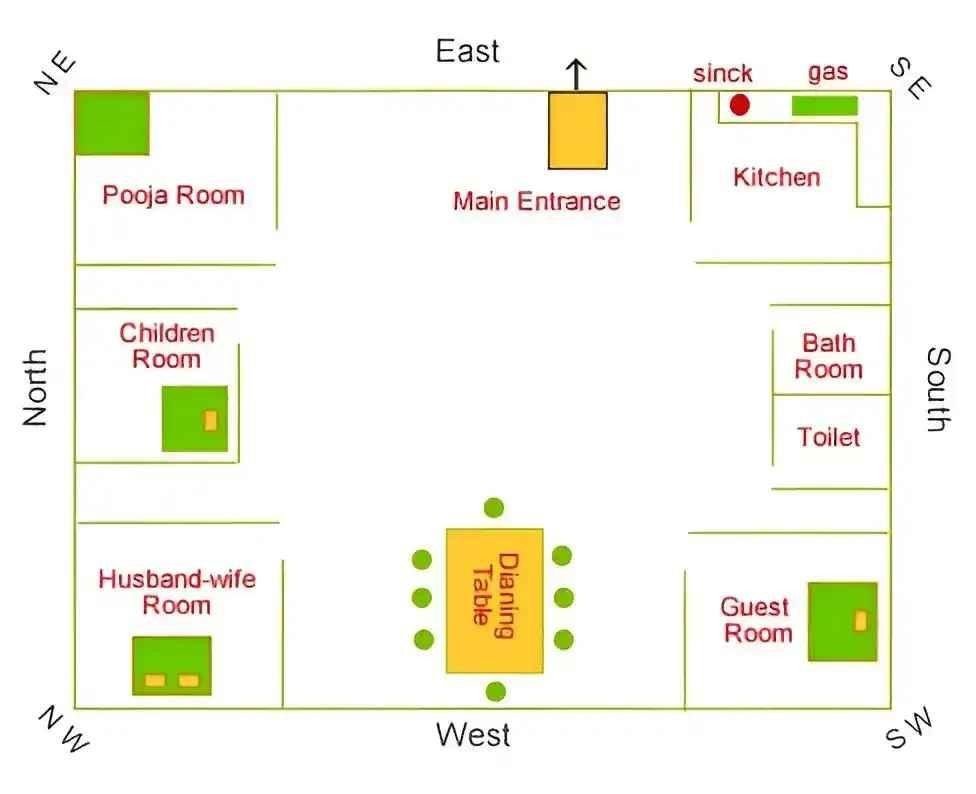
The northeast corner, also known as the Ishan Kon, is considered the best location for a home temple. This direction is associated with wisdom, spirituality, and divine blessings.

2. East Direction

If the northeast is unavailable, the east direction is another excellent choice. The rising sun symbolizes new beginnings and spiritual enlightenment.

3. North Direction

The north direction is linked with growth, prosperity, and abundance, making it a suitable alternative for a prayer room.

Directions to Avoid

Avoid constructing a pooja room in:

  • South
  • Southwest
  • Southeast
  • Directly under a staircase

These locations may disrupt the flow of positive energy.

Ideal Placement of a Home Temple

Proper placement of the prayer area is equally important.

Keep It on the Ground Floor

A pooja room should ideally be located on the ground floor of the house. This placement is believed to enhance spiritual energy.

Avoid Bathrooms Nearby

Never place the pooja room next to or directly below a bathroom. Such placements are generally considered unfavorable in Vastu.

Maintain Privacy and Cleanliness

Choose a quiet corner of the house where family members can pray without distractions.

Vastu Rules for Idols and Religious Images

The placement of deities and sacred images should be done carefully.

Important Guidelines
  • Place idols a few inches away from the wall.
  • Keep the idols facing west or east.
  • Worshippers should face east or north while praying.
  • Ensure idols are clean and well-maintained.
Avoid Broken Idols

Damaged idols or torn religious pictures should not be kept in the pooja room. They should be respectfully replaced according to religious traditions.

Pooja Room Design According to Vastu

A well-designed prayer room creates a serene and welcoming atmosphere.

Best Colors for a Pooja Room

Light and soothing shades work best for spiritual spaces.

Recommended colors include:

  • White
  • Light Yellow
  • Beige
  • Cream
  • Light Blue

These colors help create a calm and peaceful environment.

Flooring Recommendations

Marble flooring is highly preferred due to its purity, elegance, and ease of maintenance. White marble is especially popular for pooja rooms.

Lighting Tips

Natural light is considered highly beneficial. If possible, allow sunlight to enter the room during the morning hours.

Soft lighting and traditional lamps can further enhance the spiritual ambiance.

Vastu Guidelines for Pooja Room Doors

The entrance to the pooja room should reflect positivity and respect.

Recommended Features
  • Wooden doors are preferred.
  • Traditional carvings can enhance the spiritual feel.
  • Doors should open inward.
  • Keep the entrance clean and clutter-free.

A beautifully designed entrance creates a welcoming environment for worship and meditation.

Pooja Room Vastu for Apartments

Modern apartments often have limited space, making it difficult to dedicate an entire room for worship. However, Vastu principles can still be followed.

Practical Tips
  • Create a prayer corner in the northeast area.
  • Use a compact wooden mandir.
  • Keep the temple elevated from the floor.
  • Maintain cleanliness at all times.

Even a small prayer space can become a source of positive energy when organized properly.

Common Pooja Room Vastu Mistakes to Avoid

Many homeowners unknowingly make mistakes that can affect the spiritual atmosphere of the house.

Avoid These Mistakes

Using the pooja room as a storage area

Keeping broken idols or damaged religious items

Installing the temple under stairs

Choosing dark wall colors

Allowing clutter to accumulate

Facing south while praying

By avoiding these errors, you can maintain the purity and positivity of your prayer space.

Simple Vastu Remedies for Existing Homes

If your pooja room is not located in the ideal direction, there are a few simple remedies that may help improve the energy balance.

Useful Remedies
  • Keep the area neat and organized.
  • Light a diya daily during prayers.
  • Use natural fragrances such as incense or flowers.
  • Display sacred symbols like Om or Swastik.
  • Ensure proper ventilation and lighting.

These practices can help create a more uplifting spiritual environment.

Modern Pooja Room Ideas

Today’s homeowners prefer combining traditional beliefs with modern aesthetics.

Popular pooja room designs include:

  • Wall-mounted wooden temples
  • Marble prayer units
  • Minimalist meditation corners
  • LED-lit mandirs
  • Decorative wooden partitions

These designs help save space while maintaining spiritual significance.

Conclusion

The Vastu of pooja room is an essential aspect of creating a peaceful and spiritually uplifting home. By selecting the right direction, arranging idols properly, choosing suitable colors, and maintaining cleanliness, you can enhance the flow of positive energy throughout your living space.

Whether you live in a large independent house or a compact apartment, following basic pooja room Vastu tips can help you create a sacred sanctuary that supports peace, prosperity, and happiness for years to come.

Frequently Asked Questions (FAQs)

Which direction is best for a pooja room?

The northeast direction is considered the most auspicious according to Vastu Shastra.

Can a pooja room be inside a bedroom?

It is generally not recommended. If unavoidable, use a partition to separate the prayer area.

What is the best color for a pooja room?

White, cream, light yellow, and other soft shades are considered ideal.

Can a pooja room be placed under a staircase?

No. Vastu principles advise against placing a temple under a staircase.

Which direction should a person face while praying?

Facing east or north during prayer is considered highly beneficial.

Exit mobile version